

First Responder Therapy in
Frankfort, IL
For firefighters, police officers, paramedics, dispatchers, and the families who support them
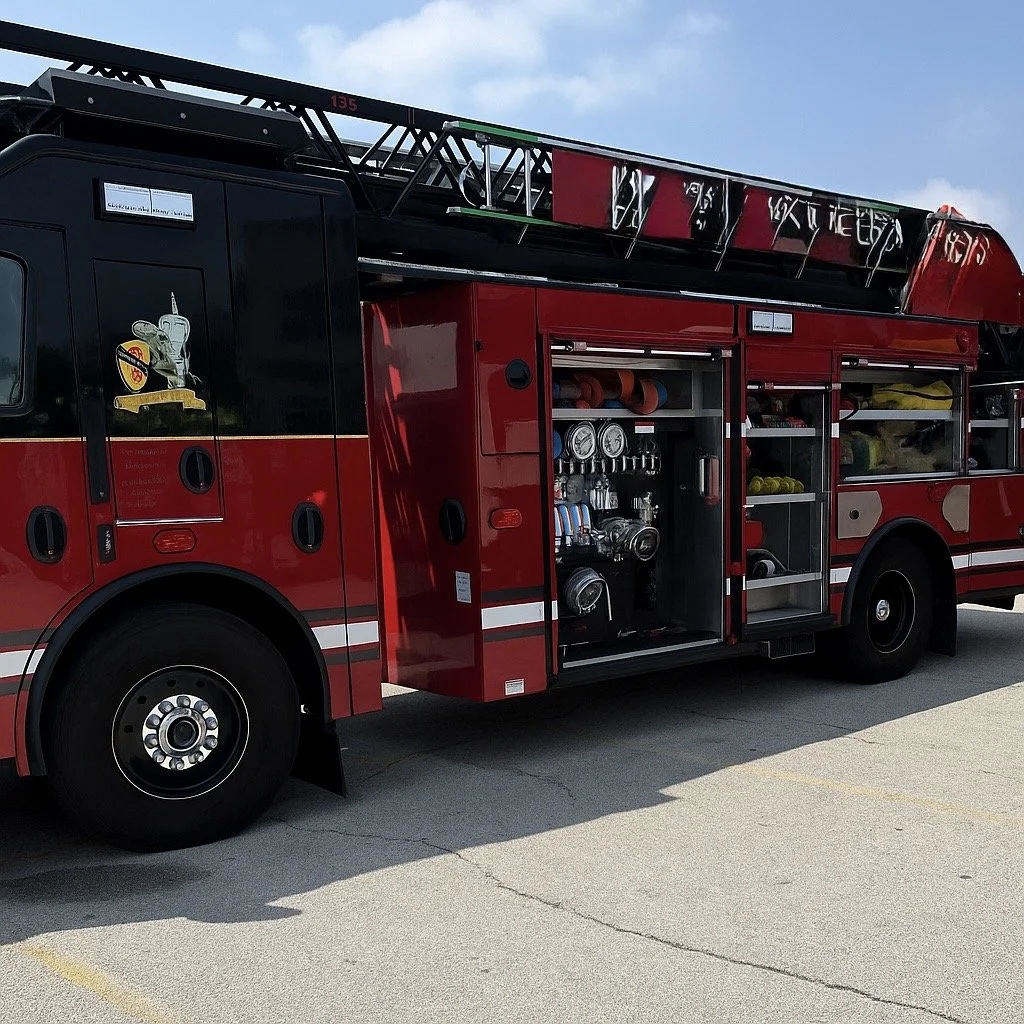
First responder work comes with pressures most people don't fully understand. Difficult calls, long shifts, department dynamics, and the expectation to keep showing up can take a toll, even when you're used to handling tough situations.
At First Response Therapy PLLC, we understand that first responder stress doesn't always stay at work. It can affect your sleep, patience, relationships, and ability to switch off when your shift ends.
Our clinicians provide confidential, trauma-informed therapy for firefighters, law enforcement officers, EMS professionals, dispatchers, and other first responders throughout Illinois. Whether you're dealing with a difficult call, ongoing job stress, burnout, or challenges at home, we'll work with you to find an approach that fits your needs and your life.
Our understanding goes beyond clinical training. Through ride-alongs, citizen academies, and ongoing engagement with first responder communities, our team has made an effort to understand the culture, expectations, and realities of the job.
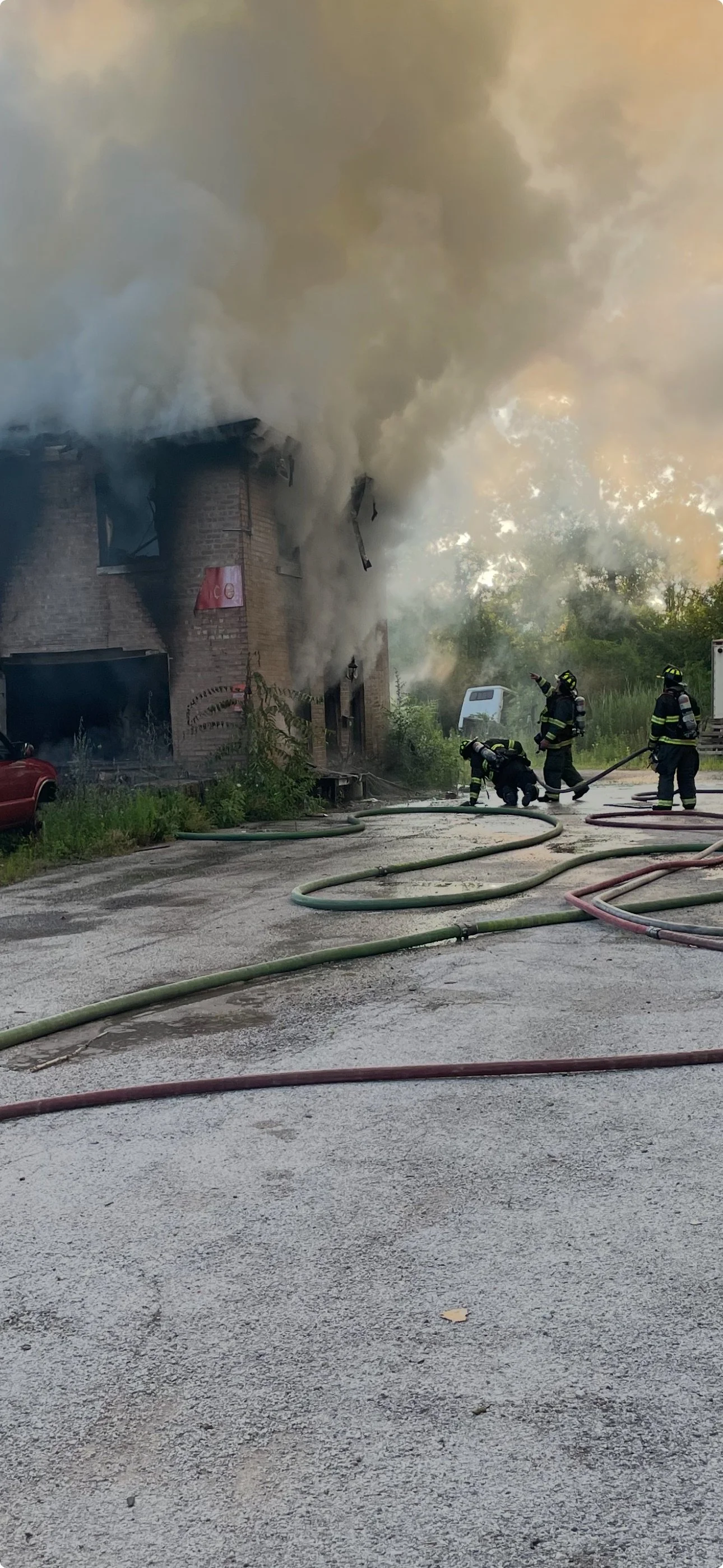
When the Job Starts Following You Home
You might recognize some of these experiences:
You replay calls in your head or struggle to switch off after a shift
You're more irritable, on edge, or exhausted than you used to be
Work stress, department changes, or organizational issues are wearing you down
You feel disconnected from your partner, family, or friends
Sleep is harder, or you can't seem to relax even when you're off duty
The ways you normally deal with stress aren't working like they used to
There are things you've experienced that you don't feel comfortable talking about with others
How Therapy Can Help First Responders
Therapy isn't about changing who you are or expecting you to leave your experiences at the door. It's about understanding what's affecting you and finding ways to handle it that work both on and off the job.
Depending on your needs and goals, therapy can help you:
Process difficult calls and experiences without feeling pressured to share more than you're ready to
Recognize how accumulated stress and trauma affect your sleep, emotions, and reactions
Manage frustration, anxiety, and the feeling that you always need to be on alert
Improve communication and connection with your partner, children, and other people who matter to you
Develop practical ways to decompress after shifts and manage stress between calls
Navigate burnout, department stress, and changes in your personal or professional life
Confidential Therapy for First Responders
Seeking therapy doesn't mean you're unable to do your job, and you don't have to wait until things feel unmanageable to ask for support.
We understand that privacy can be a major concern for first responders. Therapy is confidential, subject to applicable legal and ethical limits, and we take your privacy seriously. Our goal is to provide a space where you can talk openly about work stress, difficult experiences, relationships, and life outside the job without judgment or pressure.
We offer in-person appointments in Frankfort, along with secure telehealth throughout Illinois. We understand that rotating shifts and unpredictable schedules can make traditional weekly appointments difficult. We'll work with you to explore scheduling options that fit your life.
Therapy for First Responder Spouses, Partners & Families
When someone works in public safety, the demands of the job can follow them home. Shift rotations, missed holidays, difficult calls, and the stress of the profession can affect communication, connection, and family life.
You don't have to be the person responding to calls to feel the impact of the job.
Therapy can help first responders and their loved ones work through relationship strain, understand each other's experiences, and find healthier ways to navigate stress together.
Family members may seek support for:
Feeling disconnected from a partner or struggling to communicate
Conflict related to stress, exhaustion, or time apart
The challenges of shift work and unpredictable schedules
The impact of difficult calls or accumulated job stress on family life
Finding ways to support one another without neglecting their own needs
Whether you're navigating these challenges together or seeking individual support for yourself, therapy can help you identify what needs to change and work toward a healthier balance at home.

Frequently Asked Questions
-
Yes. Therapy is confidential, and sessions provide a private space for first responders to discuss work-related stress, trauma, relationships, and personal challenges. If you have questions about confidentiality, we're happy to discuss them during your consultation.
-
Absolutely. Therapy can help with chronic stress, burnout, difficult calls, administrative demands, department culture, relationship challenges, and the cumulative impact of working in a high-stress profession.
-
You don't have to wait for a crisis. If you're feeling burned out, having trouble sleeping, feeling disconnected, more irritable than usual, or finding it difficult to leave work at work, therapy may be beneficial.
-
First responder work comes with unique challenges that are not always understood by therapists without experience in this population. Our clinicians have taken the time to learn the realities of the profession through specialized training, ride-alongs, citizen academies, and ongoing involvement with the first responder community. Several members of our team also have personal connections as spouses or family members of first responders.
Beyond clinical training, we understand the importance of working with a therapist who “gets it.” First responders often communicate, cope, and build relationships in ways that are shaped by their profession. Our team understands the language, humor, values, and expectations that are part of first responder culture, allowing therapy to feel more natural, comfortable, and relatable.