

EMDR Therapy in New Lenox & Frankfort, IL
For Trauma, PTSD, and Anxiety
If past experiences continue to affect how you feel, respond to stress, or move through daily life, EMDR therapy may help.
At First Response Therapy PLLC, we offer EMDR for adults and first responders experiencing trauma-related distress, PTSD symptoms, anxiety, and difficult memories. Our therapist, Jessica, provides in-person EMDR therapy in Frankfort, along with telehealth throughout Illinois when appropriate.
How EMDR Therapy Can Help
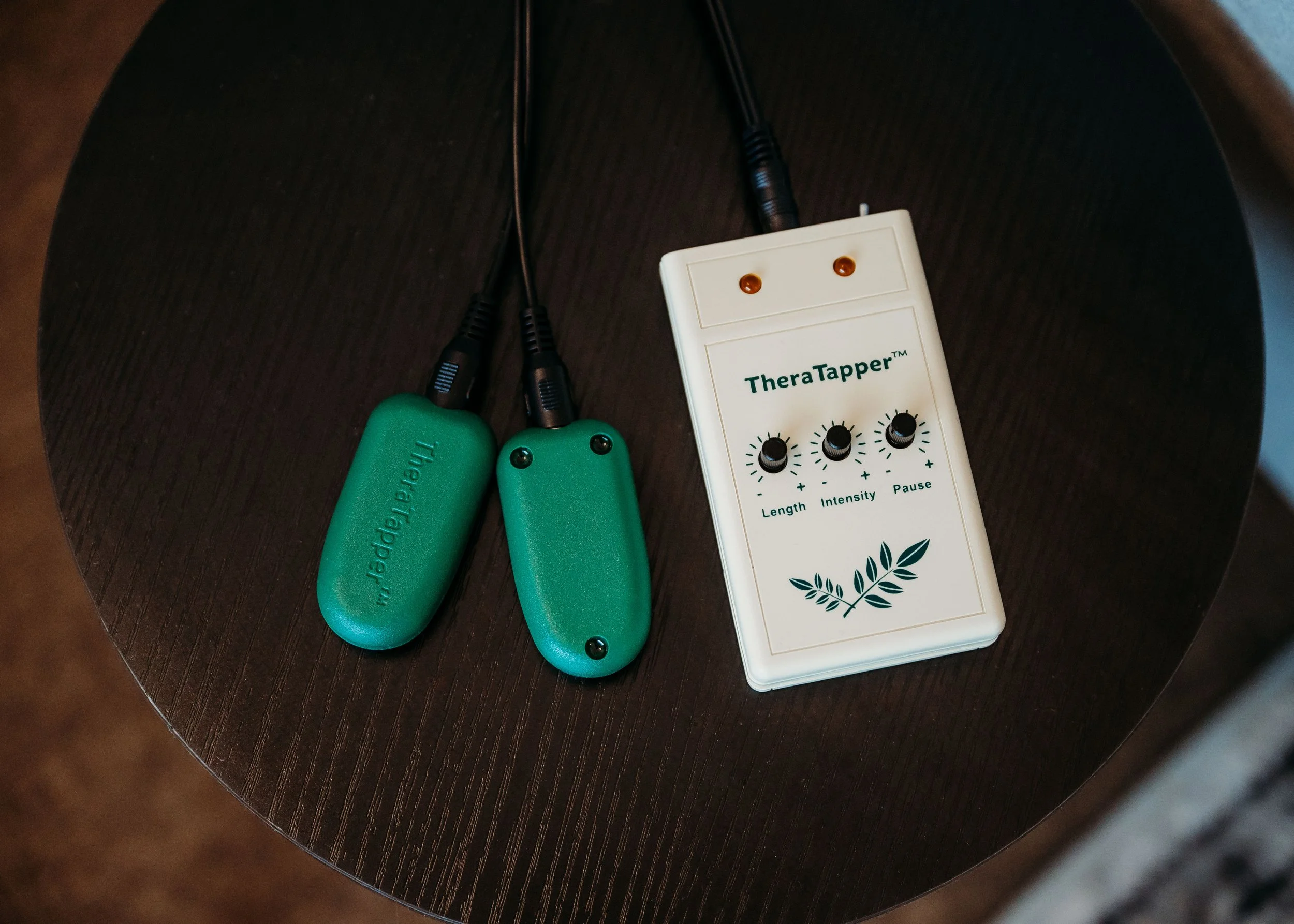
EMDR stands for Eye Movement Desensitization and Reprocessing. It is a structured, evidence-based therapy that uses bilateral stimulation—such as guided eye movements or tapping—while you briefly focus on distressing memories or experiences. The goal is to help reduce the emotional intensity associated with those memories.
Depending on your experiences and treatment goals, EMDR may help you work through:
Traumatic experiences, including difficult calls or critical incidents
Intrusive memories, flashbacks, and trauma-related triggers
Stress associated with repeated exposure to difficult situations
Anxiety or distress connected to past experiences
Emotional reactions that continue to affect your daily life
What a Session Feels Like
EMDR therapy is a structured process, and you and your therapist work together throughout treatment. Sessions may involve briefly focusing on a distressing memory while following guided eye movements, tapping, or sounds.
Before processing begins, your therapist will learn about your history, discuss your goals, and help you develop strategies for managing distress. You won't be expected to rush into difficult memories or share every detail of what happened. Your therapist will help determine the pace and approach based on your needs.
The goal is to help distressing memories feel less overwhelming and reduce their impact on your present life.
Who EMDR Therapy Is For
EMDR may be a good fit if you:
feel stuck in past experiences that still affect you
experience intrusive memories, flashbacks, or triggers
experience anxiety, panic, or strong emotional reactions that feel difficult to control
struggle to “turn off” or relax, even when you’re safe
notice your reactions feel stronger than they should
are a first responder dealing with cumulative or critical incident stress
How Long It Takes
EMDR therapy is individualized, so the number of sessions varies depending on your history, treatment goals, current circumstances, and response to therapy. Some people work through specific memories in a relatively short period, while others benefit from longer-term support.
Treatment may also include preparation, coping strategies, and time to build stability before processing begins. Your therapist will work with you to develop a plan that fits your needs and review your progress along the way.
Why It Works for First Responders
For first responders, EMDR can be especially helpful when difficult calls, critical incidents, or cumulative stress continue to affect sleep, relationships, emotions, or daily functioning. EMDR helps reduce the emotional impact of those experiences, helping you feel more present, balanced, and connected both on and off the job.
Collaborative EMDR Care
We also offer EMDR as a collaborative service for individuals who are already working with another talk therapist. If you’re looking to integrate EMDR into your existing therapy work, we are happy to coordinate with your current provider to ensure cohesive, supportive care.
Take the Next Step
If past experiences continue to affect your daily life, you don't have to navigate them alone. Schedule a free 15-minute consultation to learn whether EMDR therapy is the right fit for you.


Frequently Asked Questions
-
The length of EMDR treatment varies depending on your goals, experiences, and needs. Some clients notice changes quickly, while others benefit from longer treatment.
-
Yes. EMDR can be provided through secure telehealth when clinically appropriate.
-
Yes. EMDR is a structured, evidence-based therapy that is designed to help you process difficult experiences at a pace that feels safe and manageable. You remain in control throughout the process, and your therapist will help you build coping skills and emotional safety before beginning trauma processing. EMDR is not about forcing you to relive painful experiences. It is about helping your brain process memories so they feel less overwhelming.