

First Responder Therapy in New Lenox & Frankfort, IL for Firefighters, Police & Paramedics
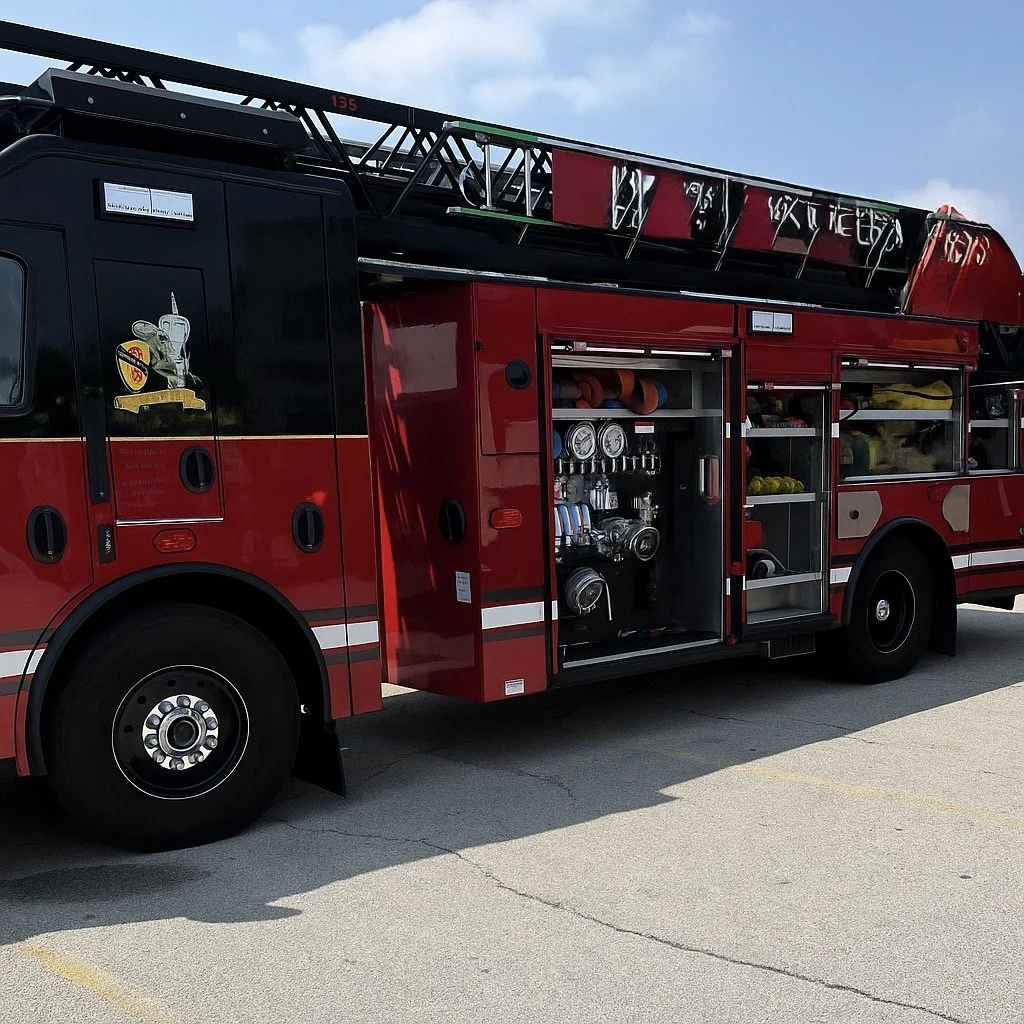
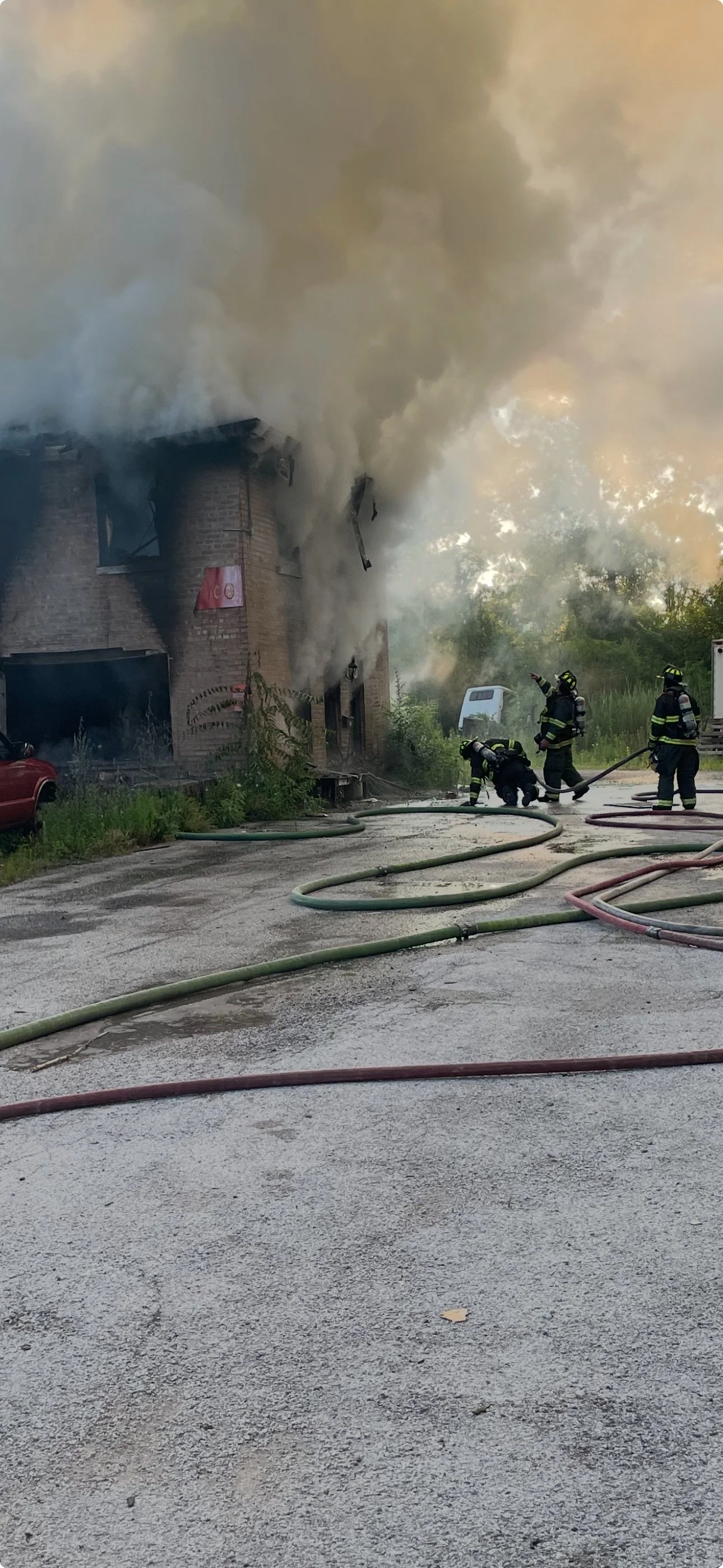
First responders face situations most people will never experience—critical incidents, repeated exposure to stressful situations, long shifts, administrative demands, and the pressure of being the one others rely on. Over time, these experiences can take a toll on mental health, relationships, sleep, and overall well-being.
At First Response Therapy PLLC, our clinicians understand the culture of first responder work and the unique challenges it brings. We provide confidential, trauma-informed therapy for firefighters, law enforcement officers, EMS professionals, dispatchers, and other first responders across Illinois. Our team offers a safe and supportive space to process trauma, manage stress, and restore balance in both personal and professional life.
Each clinician brings both professional expertise and personal connection, which deepens our understanding of the impact this work has on individuals and families. Beyond clinical training, our team has invested in learning the realities of the profession through ride-alongs, citizen academies, and ongoing engagement with first responder communities, ensuring care is grounded in the real pressures, culture, and expectations of the job.
Signs It May Be Time to Seek Support
You may benefit from therapy if you notice:
You can't turn your mind off after work
You feel increased stress, frustration, or burnout related to workplace demands, department culture, or organizational changes
You're constantly on edge or waiting for something to happen
You feel disconnected from people you care about
You notice your usual ways of coping are no longer working
Your sleep has been affected by stress, difficult calls, or an inability to relax
You feel like you're carrying things you can't talk about with others
How Therapy Can Help
Process difficult calls and experiences in a safe, confidential environment
Understand how stress and trauma affect your emotions, body, and relationships
Improve communication and connection with the people you care about
Develop coping strategies that support your career and life outside the job
Confidential Therapy for First Responders
We provide first responder therapy in New Lenox, Frankfort, Mokena, Joliet, Tinley Park, Orland Park, and throughout Illinois through secure telehealth. Seeking therapy is a personal decision and does not mean you are unable to do your job. Sessions are confidential, and our goal is to provide a private space where you can address stress, relationships, and life challenges without judgment or pressure.
Therapy for First Responder Spouses, Partners & Families
The demands of first responder work don’t just affect the person on the job — they impact the entire family. Irregular schedules, high stress, and exposure to traumatic situations can create strain at home and make communication more difficult.
Therapy provides a space for partners and families to better understand these challenges, strengthen communication, and rebuild connection. Whether you’re navigating stress, feeling disconnected, or struggling to balance family life with the demands of the job, support can help you move forward together.
Family members often seek therapy for:
Communication challenges or conflict at home
Feeling emotionally disconnected from their partner
Stress related to shift work and unpredictable schedules
The impact of trauma or job stress on the relationship
Learning healthier ways to support one another
With the right tools and support, families can build stronger relationships and greater resilience while navigating the unique challenges of first responder life.
Support Is Available
Whether you're a first responder navigating stress, trauma, burnout, or relationship challenges—or a family member looking for support—you don't have to carry everything alone.

Frequently Asked Questions
-
Yes. Therapy is confidential, and sessions provide a private space for first responders to discuss work-related stress, trauma, relationships, and personal challenges. If you have questions about confidentiality, we're happy to discuss them during your consultation.
-
Absolutely. Therapy can help with chronic stress, burnout, difficult calls, administrative demands, department culture, relationship challenges, and the cumulative impact of working in a high-stress profession.
-
You don't have to wait for a crisis. If you're feeling burned out, having trouble sleeping, feeling disconnected, more irritable than usual, or finding it difficult to leave work at work, therapy may be beneficial.
-
First responder work comes with unique challenges that are not always understood by therapists without experience in this population. Our clinicians have taken the time to learn the realities of the profession through specialized training, ride-alongs, citizen academies, and ongoing involvement with the first responder community. Several members of our team also have personal connections as spouses or family members of first responders.
Beyond clinical training, we understand the importance of working with a therapist who “gets it.” First responders often communicate, cope, and build relationships in ways that are shaped by their profession. Our team understands the language, humor, values, and expectations that are part of first responder culture, allowing therapy to feel more natural, comfortable, and relatable.