
Eye Movement Desensitization and reprocessing (EMDR)
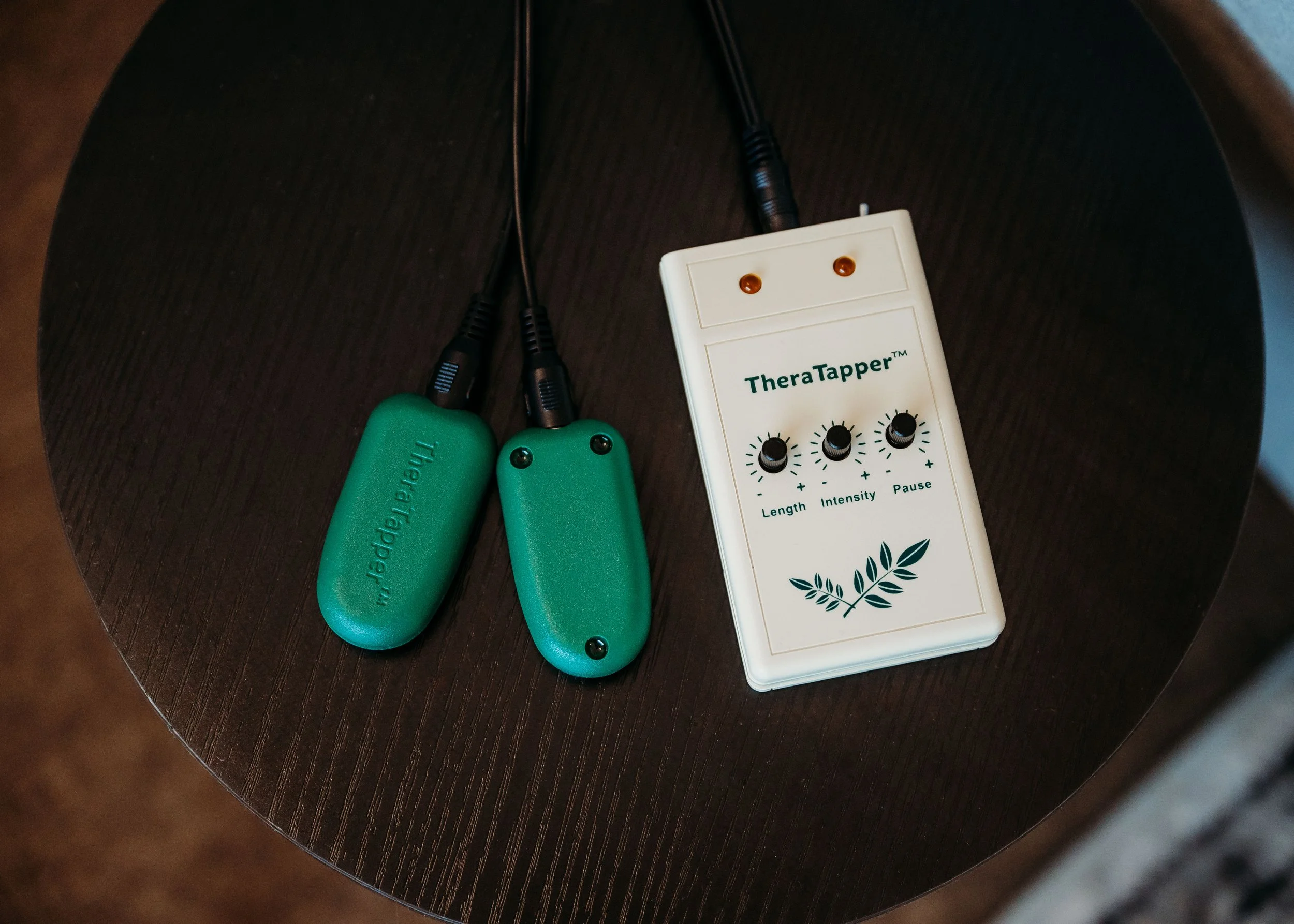
At First Response Therapy PLLC in New Lenox, IL, we offer a powerful, research-supported approach that helps adults and first responders process trauma, emotional pain, and distressing memories.
What EMDR Can Do For You
EMDR (Eye Movement Desensitization and Reprocessing) is an evidence-based therapy that helps the brain process and release traumatic memories. It’s highly effective for first responders, adults, and anyone who has experienced trauma, stress, or overwhelming life events. EMDR can help you:
Process traumatic calls, critical incidents, or past trauma
Reduce intrusive memories, flashbacks, and nightmares
Manage anxiety, panic, and chronic stress
Improve emotional regulation and resilience
What a Session Feels Like
During EMDR, you stay in control the entire time. Sessions involve guided processing of difficult memories through gentle bilateral stimulation—such as eye movements, tapping, or sounds, helping your brain store them properly so they are no longer overwhelming. Most clients report feeling lighter, calmer, and more in control after just a few sessions.
How Long It Takes
Some people notice relief in just a few sessions, while others benefit from longer treatment. EMDR is highly personalized, so we work at a pace that feels safe and effective for you.
Why It Works for First Responders
As a therapist familiar with the unique challenges of first responder work, I understand how trauma and stress can accumulate over time. EMDR offers a way to release the weight of those experiences, helping you feel more present, balanced, and connected both on and off the job.
Take the Next Step
We also offer EMDR as a collaborative service for individuals who are already working with another talk therapist. If you’re looking to integrate EMDR into your existing therapy work, we are happy to coordinate with your current provider to ensure cohesive, supportive care.You don’t have to carry these experiences alone. Schedule a free 15-minute consultation to see if EMDR is right for you.